
In a world where everything moves fast—deadlines, notifications, responsibilities—staying calm and patient can feel like a superpower. Yet, it’s a skill anyone can learn with awareness, practice, and intention. When you choose calmness, you protect your energy. When you choose patience, you strengthen your mind. Together, they help you live a happier, healthier, and more grounded life.
🌱 1. Practice Slowing Down
Patience begins with slowing your pace. Rushing creates stress, while slowing down helps you think clearly and act mindfully.
Take a deep breath, notice your surroundings, and move gently through your day. In today’s fast-paced world, slowing down isn’t laziness — it’s a conscious act of self-care. We’re so used to rushing from one task to another that our mind rarely gets a moment to breathe. When you intentionally slow your pace, you allow life to unfold with clarity instead of chaos.
Slowing down means giving yourself permission to pause and be present. It means eating your meals mindfully, rather than swallowing them in a hurry. It means listening fully when someone speaks, instead of thinking about your next task. It means walking a little slower, noticing the air, the sounds, the colors around you — reconnecting with the simple beauty of the moment.
When you slow down, you reduce anxiety, improve focus, and boost emotional stability. Your thoughts become clearer, your reactions softer, and your decisions wiser. You begin to enjoy your life instead of racing through it.
Slowing down isn’t about doing less — it’s about doing things with awareness, intention, and peace. And that small shift can transform your entire day.

🌬️ 2. Breathe Through Stress
Your breath is your reset button.
Whenever you feel overwhelmed, try this:
Inhale for 4 seconds → Hold for 2 → Exhale for 6 seconds.
This simple technique calms your nervous system and brings you back to the present moment. Your breath is one of the most powerful tools you carry with you every moment — yet it’s the one thing we often forget to pay attention to. When stress hits, our breathing becomes shallow and fast, which tells the brain that something is wrong. This triggers more anxiety, more tension, and more emotional overwhelm.
But the beautiful truth is this:
When you control your breath, you calm your mind.
Deep breathing signals your nervous system to shift from “fight or flight” mode into a state of relaxation and safety. One slow, mindful breath can reset your entire emotional state.
Try this simple technique whenever you feel stressed:
Inhale deeply for 4 seconds → Hold for 2 seconds → Exhale slowly for 6 seconds.
The longer exhale gently relaxes your body and helps your thoughts settle like dust in still air.
Breathing through stress doesn’t just calm you in the moment — it trains your mind to react with patience instead of panic. It teaches you to pause instead of exploding. It helps you stay grounded, focused, and emotionally stable even in difficult situations.
A few mindful breaths can turn overwhelming moments into manageable ones.
Your breath is your anchor — use it whenever life feels too loud.

🧘♀️ 3. Accept What You Can’t Control
Frustration often comes from wanting situations or people to behave differently.
Peace begins when you accept that not everything is in your hands.
Focus on what you can control — your reaction, your mindset, your choices.One of the biggest sources of stress comes from trying to change things that are simply beyond our reach. We often want people to behave differently, situations to unfold the way we expect, or life to follow our personal timeline. When this doesn’t happen, frustration grows, and inner peace fades.
Acceptance doesn’t mean giving up — it means understanding the difference between what you can influence and what you never could. It’s the wisdom of knowing where your energy is worth investing.
You can’t control the traffic…
but you can control how you respond to it.
You can’t control someone’s attitude…
but you can choose to protect your peace.
You can’t control the outcome of every situation…
but you can give your best and let go of the rest.
When you accept what you can’t control, you free yourself from mental battles that drain your strength. You stop wasting time on “what should be” and start working with “what is.” This shift reduces anxiety, improves emotional balance, and helps you respond thoughtfully instead of reacting emotionally.
Acceptance is not passive — it’s powerful.
It allows you to create calmness in chaos, focus your energy on what truly matters, and move forward with clarity instead of resistance.
It is one of the greatest gifts you can give yourself.

🌞 4. Practice Mindfulness Daily
Mindfulness is the art of being fully present.
A mindful mind reacts less and responds better.
Whether you’re eating, walking, or working, try to stay aware of the moment instead of rushing through it. Mindfulness is the art of being fully present — not dwelling on yesterday or rushing toward tomorrow, but experiencing this very moment with awareness and acceptance. In a world full of distractions, practicing mindfulness is like giving your mind a soft place to rest.
Mindfulness doesn’t require a quiet room or long meditation sessions. It can be woven into the smallest parts of your day.
When you eat, notice the taste.
When you walk, feel your steps.
When someone speaks, listen without planning your reply.
When your mind wanders, gently bring it back — without judgment, without pressure.
Daily mindfulness helps you understand your thoughts instead of being controlled by them. It teaches you to observe your emotions rather than react impulsively. This reduces stress, improves focus, and brings a sense of grounding that stays with you even during difficult moments.
Think of mindfulness as mental training — the more you practice, the calmer, clearer, and more patient you become. It turns ordinary moments into peaceful ones and helps you handle life with more ease.
Even one mindful minute a day is a step toward a more balanced, peaceful mind. 🌿✨

💛 5. Be Kind to Yourself
Impatience often comes from self-pressure.
Talk to yourself kindly.
Give yourself grace.
You’re allowed to take your time, to make mistakes, and to grow at your own pace. You speak to others with understanding, patience, and love — but how often do you offer the same kindness to yourself?
Self-kindness means recognizing that you are human: you get tired, you make mistakes, you grow at your own pace. It’s the gentle reminder that you don’t have to be perfect to be worthy.
Being kind to yourself starts with your inner dialogue. Notice how you speak to yourself. Are your thoughts supportive, or are they harsh and self-critical? Replace “I should’ve done better” with “I’m learning.” Replace “I’m not enough” with “I’m doing my best.”
The words you tell yourself shape your peace.
Self-kindness also means giving yourself permission to rest. You don’t have to earn every break. Your body and mind need recovery just as much as they need productivity. Allow yourself to slow down, relax, and breathe without guilt.
Celebrate the small wins. Acknowledge your efforts. Be proud of the steps you’ve taken, even if they’re not perfect.
Growth is not a straight line — and it’s okay.
When you treat yourself with kindness, you build resilience. You become more patient, more confident, and more emotionally balanced. You learn to show up for yourself, even on the tough days.
Remember:
You deserve the same love and compassion that you freely give to others.
Be gentle with yourself — you are growing, healing, and becoming stronger every day. 💛✨

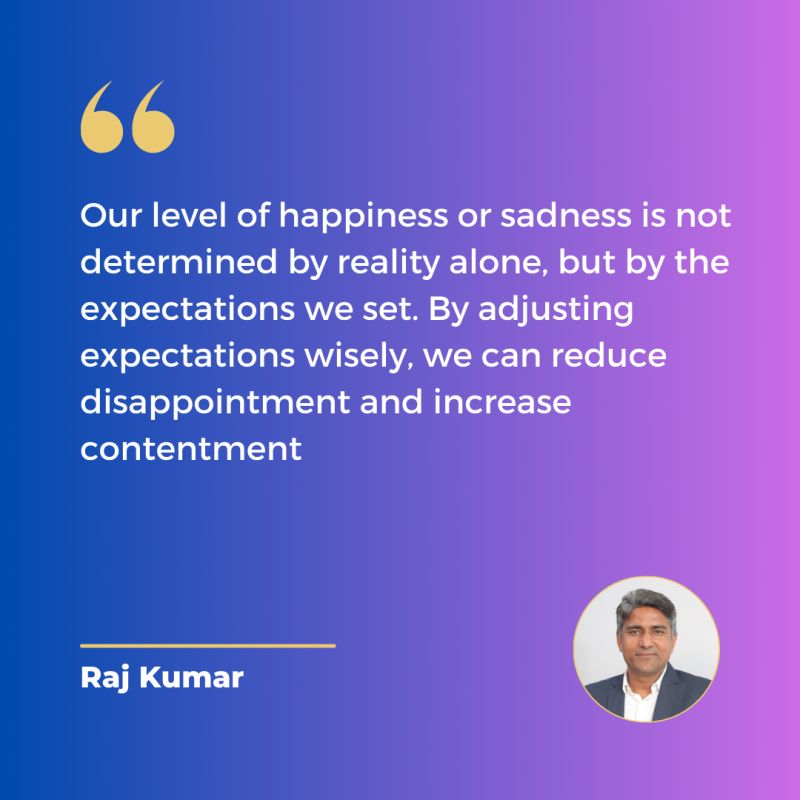
📌 6. Set Realistic Expectations
Unrealistic goals lead to stress and irritation.
Break big tasks into smaller steps and celebrate small wins.
Patience grows when you feel in control of the process.A lot of stress in life comes from expecting too much from ourselves, from others, or from situations. When expectations are unrealistic, even small setbacks can feel like failures — leading to frustration, impatience, and self-doubt.
Setting realistic expectations isn’t about lowering your standards; it’s about creating goals that are grounded, achievable, and healthy. It’s about understanding your limits, your energy, your time, and your circumstances — and working within them instead of against them.
Start by breaking big tasks into smaller, manageable steps. Instead of expecting yourself to finish everything in one day, focus on progress rather than perfection. Each small step forward is still a step forward.
Realistic expectations also apply to people. No one is perfect, and everyone has their own pace, strengths, and challenges. When you stop expecting others to think or act exactly the way you want, you create space for healthier, more understanding relationships.
Remember, life doesn’t always go according to plan — and that’s okay. Flexibility is part of patience. Adaptability is part of growth.
When you set realistic expectations, you reduce pressure, increase motivation, and allow yourself to enjoy the journey rather than rush through it. You feel calmer, more in control, and more satisfied with your progress.
Give yourself permission to be human.
Honor your pace, celebrate small wins, and trust that growth happens step by step. 🌿✨
🌙 7. Build Emotional Awareness
Ask yourself:
Why am I irritated? What’s triggering me?
Understanding the root of your emotions helps you handle situations with calmness instead of reacting impulsively.Emotional awareness is the ability to understand what you’re feeling, why you’re feeling it, and how those emotions influence your thoughts and actions. Many people experience emotions without ever pausing to explore them — which leads to reacting impulsively, feeling overwhelmed, or carrying stress without knowing why.
Building emotional awareness begins with noticing your internal world.
Ask yourself:
What emotion is this?
Where do I feel it in my body?
What triggered it?
Instead of judging your feelings as good or bad, simply observe them.
Maybe your irritation isn’t really about the traffic — maybe you’re tired.
Maybe you’re not angry — maybe you’re hurt or anxious.
Maybe you’re not “overreacting” — maybe you’re overwhelmed and need a break.
When you understand the root of your emotions, you gain the power to respond thoughtfully instead of reacting automatically. You learn to pause before speaking, breathe before acting, and reflect before deciding.
Emotional awareness also helps you communicate better. When you know what you feel, you can express it clearly, rather than bottling it up or letting it explode later. This strengthens relationships and reduces misunderstandings.
With practice, emotional awareness turns you into a calmer, more grounded person.
You become more patient with yourself, more understanding of others, and more capable of navigating challenges with maturity and clarity. Recognize your emotions.
Name them.
Sit with them without fear.
That’s how healing begins, and calmness grows. 🌿✨
☕ 8. Take Breaks When Needed
Sometimes, all you need is a pause.
Step away, drink water, stretch, or take a short walk.
A small break can restore your calm and reset your focus. In a world that praises constant productivity, taking breaks can feel like being “unproductive” — but the truth is the opposite. Your body and mind are not machines. They need rest, pauses, and silence to function at their best. When you push yourself without stopping, your focus drops, your patience decreases, and stress quietly builds up.
Taking a break is not quitting.
It is resetting — so you can return with clarity, calmness, and renewed energy.
A break can be small or simple:
- A few minutes of deep breathing
- A short walk outside
- Closing your eyes and stretching
- Drinking water mindfully
- Stepping away from your screen
Even tiny pauses can refresh your mind in powerful ways.
When you listen to your body — when your thoughts feel heavy, your shoulders tense, or your mood dips — that’s your internal signal saying: “Pause. I need a moment.
Honoring that signal strengthens emotional balance and prevents burnout.
Breaks also help you respond better to the world. With a rested mind, you think more clearly, react more patiently, and make wiser decisions. You feel more centered instead of overwhelmed.
Remember:
Resting is not wasting time.
It is refueling your mind, emotions, and spirit.
Give yourself permission to pause — without guilt.
Even a five-minute break can change how the next five hours feel. 🌿💛
🌼 9. Choose Your Battles
Not every situation deserves your stress.
Not every comment needs a reaction.
Learning to let go is one of the strongest forms of patience. Not every situation deserves your time, reaction, or emotional energy. When we react to everything — every comment, every inconvenience, every disagreement — we drain ourselves mentally and emotionally. Learning to choose your battles is a powerful act of self-preservation and wisdom.
Choosing your battles means recognizing the difference between what is worth addressing and what is better to let go.
Ask yourself:
- Will this matter in a week? A month? A year?
- Is this situation important or just triggering?
- Is reacting going to help or make things worse?
Sometimes, peace is more valuable than being right.
Walking away doesn’t mean you’re weak — it means you’re strong enough to protect your inner calm instead of arguing over things that won’t matter in the long run.
People will have opinions. Situations may not go as expected. Life will present challenges — but you don’t need to fight every single one. Save your energy for what truly matters: your growth, your priorities, your mental wellbeing, and the relationships that are important to you.
When you choose your battles wisely, you gain:
- More emotional balance
- Less stress
- Better relationships
- A calmer mind
- Space to focus on what actually matters
Remember:
Your peace is precious.
Don’t trade it for anything that doesn’t deserve it. 🌿✨
🌟 10. Practice Gratitude
Gratitude shifts your focus from what’s going wrong to what’s going right.
A grateful mind is naturally calmer and more patient because it sees abundance, not lack. Gratitude is one of the simplest yet most powerful habits for creating a calmer, happier life. When you practice gratitude, you train your mind to see the good that already exists instead of focusing only on what’s missing. And when your perspective shifts, your emotions shift too.
Life will always have challenges, but gratitude reminds you that there is still something to appreciate in every single day — a kind message, a warm meal, a quiet morning, a lesson learned, or even the strength to make it through a difficult moment.
Gratitude rewires your mind.
It lowers stress, improves emotional balance, and builds patience because you are no longer overwhelmed by what you lack — you are grounded in what you have.
Practicing gratitude doesn’t have to be complicated.
You can:
- Write down three things you’re thankful for each morning
- Notice small joys throughout the day
- Thank the people who support you
- Acknowledge your progress, even if it’s small
- Pause for a moment and appreciate the present
The magic of gratitude is that the more you look for reasons to be grateful, the more you find. You start noticing beauty in ordinary moments — a smile from someone you love, a breeze through the window, laughter from a friend, or simply the gift of being alive today.
Gratitude teaches you that happiness isn’t something you chase — it’s something you create through awareness and appreciation.
When gratitude becomes a habit, calmness follows naturally.
Your heart feels lighter, your mind clearer, and life becomes more meaningful, one thankful moment at a time. 🌿💛
💬 Final Thought
Calmness and patience don’t mean you’re slow or passive.
They mean you’re strong enough to control your emotions instead of letting them control you.
With practice, these qualities become your quiet superpowers—helping you navigate life with peace, clarity, and confidence.